

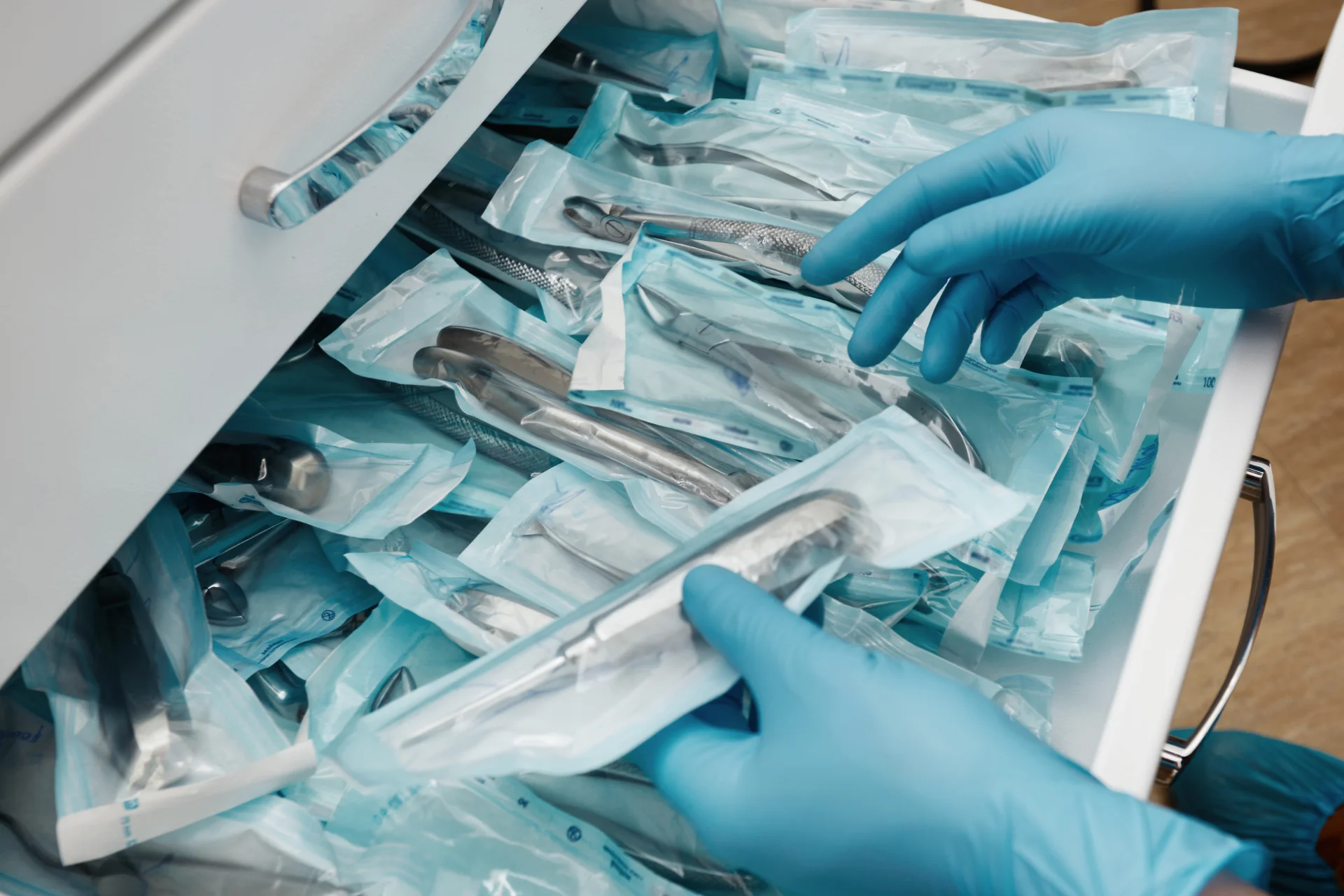
The problem of odour in hospital cupboards can be surprisingly common, causing discomfort and hygiene concerns within healthcare facilities. This issue often arises without warning, leaving staff puzzled about how to address it effectively. When hospital cupboards, meant to store vital medical supplies, begin to emit unpleasant smells, it can disrupt the hospital environment, affecting both staff and patients. Understanding what leads to these odours and how to prevent them becomes quite important.
There are several factors that contribute to odour problems. From spilled liquids and inadequate ventilation to expired supplies, each can leave its mark inside cupboards. Identifying these elements early can prevent a minor nuisance from snowballing into a significant problem. Let’s explore the common causes of cupboard odour and how they can be dealt with effectively.
Common Causes of Odour in Hospital Cupboards
When odours develop in storage areas, it’s essential to get to the root of the issue. Here are frequent culprits for those lingering smells:
- Spilled Liquids: Often, when containers tip or leak, the contents spill into the cupboards. Over time, these spills can contribute to a persistent odour if not cleaned quickly.
- Inadequate Ventilation: Lack of airflow can aggravate smells. Without proper ventilation, any odours trapped inside have no way to dissipate, making them more noticeable.
- Expired or Spoiled Supplies: Old or spoiled items can generate smells, especially if they’ve been forgotten behind newer stock. Such items can rot or degrade, further enhancing unpleasant scents.
Identifying the Source of Odour
Uncovering what’s causing a particular smell might seem tricky, but some practical steps can help:
- Conduct Regular Inspections: Routinely checking cupboards helps catch any problems early, ensuring they don’t develop into bigger issues.
- Use Odour Detection Tools: Sometimes, a simple sniff test isn’t enough. Specialised tools can assist in pinpointing sources quickly, giving staff a head start on fixing the problem.
By tackling these common causes head-on, healthcare facilities can maintain a cleaner, fresher environment. A proactive approach not only improves the working atmosphere but also ensures that stored medical supplies remain unaffected by odours.
Immediate Steps to Address Cupboard Odours
When unpleasant smells hit, acting quickly can prevent the situation from getting worse. The first step is to empty the cupboard completely. This makes it easier to identify the source of the smell and ensures that no item is overlooked. Everything needs to be taken out, including small items tucked away at the back that might harbour the smell.
Once the cupboard is empty, it’s time for a thorough cleaning. Use a suitable cleaning solution to wipe down the surfaces. This helps remove any residue from spills and eliminates lingering bacteria that can contribute to odours. It’s important to focus on corners and edges where liquid or particles might collect. After cleaning, make sure to dry the cupboard completely to avoid moisture, which can lead to mould.
Disposing of expired or spoiled supplies is another key action. Go through the stored items and check expiry dates closely. Supplies past their prime should be discarded immediately. This not only helps tackle current odours but also prevents potential problems down the line.
Cleaning Techniques for Hospital Cupboards
Maintaining cleanliness is an ongoing journey. Some cleaning methods are particularly effective in keeping hospital cupboards fresh:
- Using Approved Cleaning Solutions: Always choose cleaning products that are approved for healthcare settings to ensure they are safe and effective. These solutions can tackle bacteria and other sources of odours without causing damage to the cupboard material.
- Proper Drying Methods: After cleaning, drying is crucial. Leaving surfaces damp can lead to mould growth, which not only smells bad but poses health risks. Use a clean, dry cloth to wipe down surfaces or consider leaving cupboard doors open for better airflow.
By setting a routine for these steps, hospitals can maintain a pleasant storage environment that supports both staff duties and patient care.
Implementing Proper Storage Practices
Good storage practices can significantly reduce the chance of odours developing. One effective approach is to use airtight containers for items prone to smells. These containers seal in odours, keeping the rest of the cupboard unaffected. Also, labelling and regularly rotating stock helps ensure that older supplies are used first, limiting the chance of anything expiring unnoticed.
Keeping supplies organised not only aids in quick stock checks but also supports hygiene, ensuring that supplies are easy to locate and use. A well-organised cupboard contributes to efficiency in a busy hospital setting, allowing staff to access what they need without any stumbling blocks.
Enhancing Ventilation in Cupboard Areas
Ventilation plays a key role in managing odours inside cupboards. When air can circulate freely, it’s much easier to keep unpleasant smells in check. One practical solution is to install ventilation grilles in cupboard areas. These grilles allow fresh air to move in and out, helping to disperse any musty or stale odours. They are a relatively simple addition and can make a noticeable difference.
Another handy approach involves the use of portable fans or air purifiers. A small fan placed in the vicinity of a cupboard can improve airflow, especially if the location lacks built-in ventilation. Air purifiers, equipped with filters, can also help by removing particles and smells, making the air quality better overall. These methods work best in facilities where built-in ventilation might be limited or when a quick fix is needed.
Regular Maintenance Routines to Prevent Odour Build-up
Setting up a routine for maintenance can prevent many issues before they start. Here are some steps to help manage this:
- Scheduled Deep Cleaning: Regular deep cleaning sessions remove residue and bacteria that daily cleaning might miss. This should be planned at consistent intervals, ensuring thorough coverage of all cupboard surfaces.
- Routine Stock Checks and Rotation: Checking stock regularly and rotating supplies ensures that older items are used first, reducing the chance of spoilage. This habit also aids in keeping everything organised, diminishing the risk of something becoming a hidden culprit of odours.
Regular maintenance not only keeps cupboards fresh but also signals to staff the importance of hygiene practices. This level of care is crucial for supporting a clean environment.
Use of Deodorisers and Odour Absorbers
Deodorisers and odour absorbers can provide additional support in keeping smells at bay. For instance, charcoal bags are highly effective. Made from activated carbon, these bags absorb odours naturally and can be placed discreetly in different corners of the cupboard.
Another simple and effective odour absorber is baking soda. A small container filled with baking soda can neutralise smells, making it a practical option for healthcare facilities. Both methods offer easy and low-cost ways to tackle lingering smells without adding any chemical odours of their own.
By keeping ventilation in check, following regular maintenance routines, and using deodorisers, healthcare facilities can manage cupboard odours with ease. This careful attention to detail ensures a fresher environment, encouraging better practices across the board.
Training Staff on Best Practices
Equipping staff with the right knowledge is a fundamental part of managing cupboard odours. Consistent training in handling supplies and adhering to storage protocols can make a substantial difference. Staff need to be familiar with techniques for proper storage, which includes using airtight containers for items prone to odours and ensuring they are correctly labelled. This practice maintains order and efficiency, especially in busy department settings.
Regular training sessions should focus on cleaning protocols tailored for healthcare environments. These sessions might cover how to use approved cleaning products effectively and the importance of thorough drying. By maintaining awareness of these practices, staff contribute to a cleaner, more hygienic workplace. An example would be staff workshops where everyone practices identifying potential sources of odour and learns how to take swift action.
Designing Cupboards for Improved Hygiene
Careful design can alleviate many chronic odour problems. The choice of materials significantly impacts ease of cleaning and overall maintenance. Materials that resist absorbing spills and are easy to wipe down help prevent long-term residue build-up. The layout of the cupboards is equally important. Cupboard designs promoting better airflow can enhance ventilation and reduce odour retention. By ensuring there’s space for air movement, odours dissipate more effectively.
Cupboard designs shouldn’t just be practical but should facilitate the smooth organisation and retrieval of supplies. An orderly space minimises the risk of items being overlooked or forgotten, reducing the chance of odour. Small adjustments to designs, such as shelving configurations or the integration of ventilated sections, contribute to a fresher environment.
Case Studies: Successful Odour Management in Hospitals
Sharing success stories from other hospitals provides valuable insights into effective odour management. For instance, one facility faced persistent odour issues due to ventilation challenges. By installing additional ventilation grilles and conducting regular maintenance checks, they managed to significantly improve air quality. This example emphasises the importance of addressing ventilation needs and maintaining an ongoing cleaning schedule.
Learning from these experiences offers a practical viewpoint on overcoming common challenges. Hospitals can adapt these strategies, tailoring them to their unique settings and resources. This exchange of knowledge aids in building a community dedicated to improving hygiene and storage conditions across healthcare facilities.
Technological Solutions to Monitor and Control Odour
Embracing technology offers new ways to detect and control odours effectively. Smart sensors that monitor humidity and odour levels provide real-time feedback, helping staff address potential issues before they escalate. These sensors can alert staff to conditions ripe for odour development, allowing for pre-emptive action.
Automated cleaning systems present another modern solution by scheduling and performing routine cleaning tasks without manual intervention. They help ensure consistency in cleaning practices, contributing to a consistently fresh storage environment. As technology continues to advance, it provides healthcare facilities with innovative tools to maintain high standards of cleanliness.
Cost-Effective Measures for Small Clinics and Practices
Not every healthcare facility operates on a large scale, which means solutions must sometimes be adapted for smaller settings. Budget-friendly cleaning supplies can effectively maintain hospital cupboards without straining financial resources. There are many products available that clean efficiently while being cost-effective.
In addition to economical cleaning items, simple ventilation enhancements can make a big difference. This might include opening windows temporarily for air circulation or installing small, low-cost fans to improve airflow. Smaller clinics can still achieve excellent results with these straightforward measures, ensuring that even those with limited budgets can maintain fresh environments without complications.
Summarising Steps to Maintain Fresh Cupboards in Hospitals
Maintaining fresh cupboards in hospitals isn’t a one-time task but an ongoing commitment to hygiene and organisation. Regular inspections and cleaning continue to be vital, identifying potential issues before they escalate. Scheduled training keeps everyone informed about optimal practices for handling and storing supplies.
Design improvements also play a crucial role, as do consistent reviews of the technologies used to support hygiene goals. By integrating all these elements, healthcare facilities bolster their ability to provide orderly, pleasant environments conducive to excellent patient care. With well-maintained storage areas, the focus remains on patient recovery and well-being, free from concerns about odour and hygiene issues.
For healthcare facilities keen on maintaining odour-free environments, choosing the right storage solutions is a game-changer. Explore how PP Healthcare Solutions can assist you with cupboards in a hospital that are designed to support hygiene and workflow efficiency. Discover the benefits of using specialised storage to keep your medical supplies fresh and your hospital environment welcoming.