

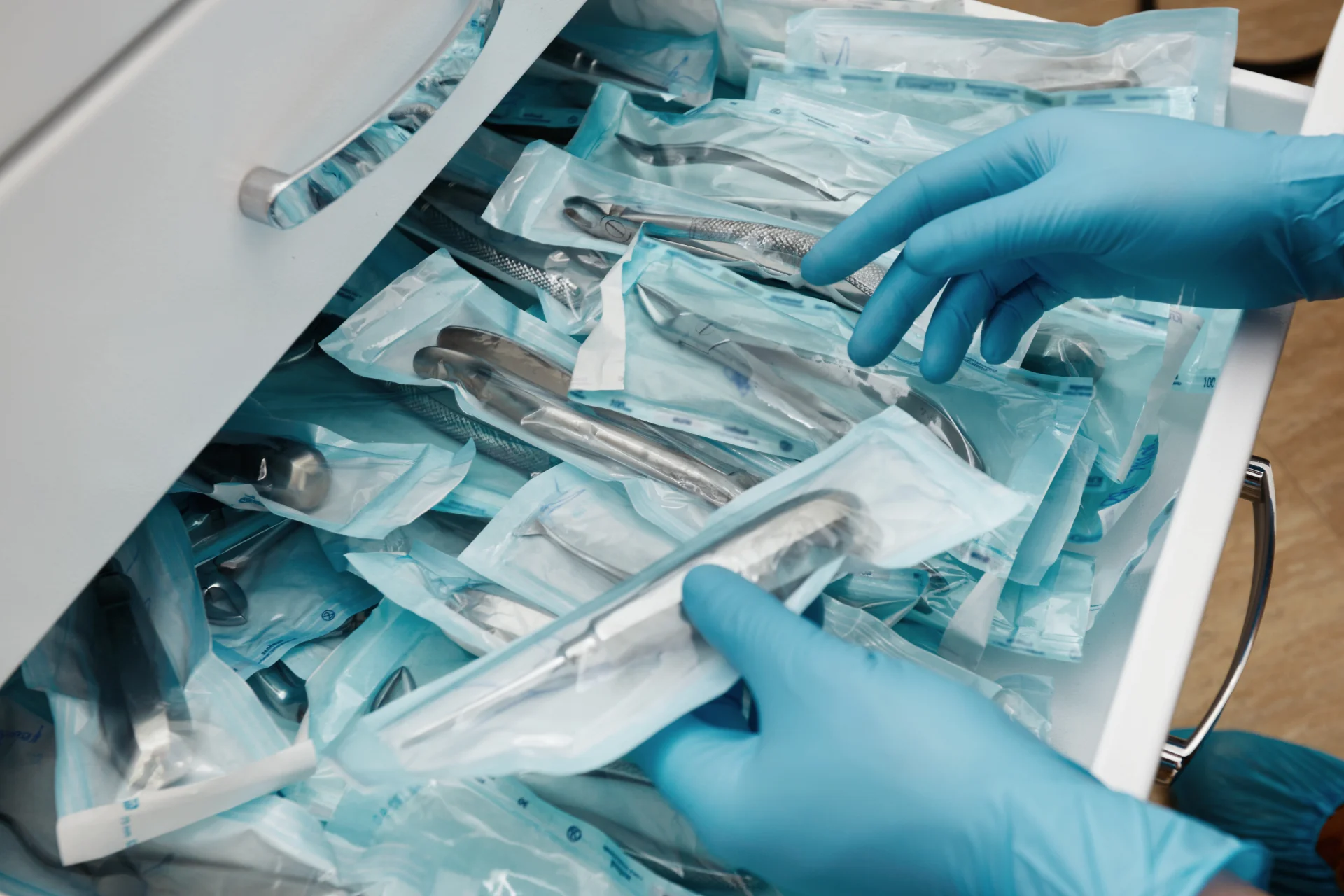
When it comes to dental practices, safeguarding instruments can make a big difference. Instruments are essential for every procedure, so keeping them in good condition is critical. Imagine the impact of a damaged tool during an important appointment; it can affect the efficiency and quality of care and disrupt your daily routine. That’s why having a solid dental storage system is key. These systems help organise, protect, and extend the life of your tools, ensuring that you’re always ready for any dental challenge.
Dental instruments can experience damage if not stored properly. Moisture, poor organisation, or even simple mishandling can leave your tools in less-than-perfect condition. By exploring how dental storage systems can prevent these common issues, you’ll find ways to keep your tools safe and effective. Discover how to overcome typical storage challenges and safeguard your dental arsenal.
Understanding Dental Storage Systems
Dental storage systems play an important role in maintaining the integrity of your instruments. Essentially, these systems are designed to store, organise, and protect dental tools efficiently. There are numerous options, each offering unique features suited to different needs. It is essential to understand what these systems are and why they hold value.
Several types of dental storage systems range from simple shelves to comprehensive modular setups. Common systems include:
- Static shelves: Fixed storage units offering a straightforward way to organise tools.
- Mobile carts: Provide flexibility and quick access to instruments.
- Modular systems: Customisable and adaptable, allowing tailored storage solutions.
Each system presents its advantages, so choosing the right combination for your practice is crucial. For instance, static shelves might be ideal for backup supplies, while mobile carts could keep essential tools nearby during procedures. Understanding these options will aid in making informed decisions on the solutions best for your practice.
As different storage systems are explored, the importance of organisation must be emphasised. A well-thought-out arrangement not only prevents damage but also streamlines workdays. Next, we address common causes of instrument damage and practical tips to avoid them.
Common Causes of Instrument Damage
To maintain your dental tools in top condition, it is essential to identify what causes damage. Three primary troublemakers can undermine even the best dental storage systems: poor organisation, moisture exposure, and handling errors. By understanding these, you can prevent problems before they start.
First, let’s talk about organisation. Disorganised drawers or shelves make it easy to misplace items or cause unnecessary friction against delicate tools. Disorganized tools can easily suffer wear and tear. Keeping everything neatly arranged can help avoid scratches and breakage, not to mention make it easier to find tools when needed.
Moisture is another frequent culprit. It loves to sneak into storage areas, leading to rust and corrosion over time. Dental instruments are not suitable for damp environments, so keeping them dry is crucial. A little condensation might not seem dangerous, but it damages the metal and shortens your equipment’s lifespan. Investing in moisture control solutions can make a significant difference in protecting your instruments.
Finally, physical impact and handling errors can significantly damage dental tools. Accidental drops or rough handling might occur in a rush, but they can tweak or even ruin an instrument. Training your team in best practices for handling tools can save money and time replacing or repairing damaged items.
Selecting the Right Storage System
Choosing an appropriate storage system for your dental practice is akin to selecting the right outfit for an occasion, it must fit well and serve its purpose. A suitable storage system needs to provide optimal protection and organisation for your tools while accommodating your practice’s unique needs.
Here are some key criteria for selecting the right storage solution:
- Assess your inventory: Know what you have and what you need to store. This helps choose a system that fits your instruments adequately.
- Think about space: Consider your practice’s layout. Ensure enough room for the storage solution without cramping the workspace.
- Evaluate ease of use: Ensure easy access to storage. Avoid digging through layers to find what you need.
Customisation is often key. Each dental practice operates differently, so having a system tailor-made to your specific needs is beneficial. For example, modular systems offer the flexibility to adjust shelves and compartments, helping you organise based on your exact mix of tools. Focusing on these aspects can give your instruments the shelter they deserve, keeping them ready for action when you are.
Organising Dental Instruments Efficiently
Proper organisation of dental tools can save a lot of time and trouble. Imagine your workspace as a neatly set dining table; everything has a place to ensure smooth operation. A well-organised system facilitates tool location and reduces the risk of damage by preventing unnecessary contact.
Here are some practical tips for keeping your drawers and shelves tidy:
- Categorise by Use: Group instruments by function. For example, keep all extraction tools together and place filling instruments elsewhere. This way, you know exactly where to reach during procedures.
- Label Everything: Labels act as road signs in your storage space. They help you quickly identify each tool’s location, minimising search time and reducing mix-ups.
- Use Drawer Inserts or Trays: Using inserts or trays prevents instruments from rolling around and protects them from scratches and bumps.
- Designate Specific Areas: Dedicate certain shelves or drawers for specific tool types, much like assigning seats at a dinner table. It adds orderliness, enhancing workflow.
Ineffective organisation not only creates a messy workspace but also risks tool damage. On the other hand, a good setup complements routines and supports operations.
Importance of Moisture Control
Moisture’s presence in dental settings can lead to significant problems. When moisture lingers around dental instruments, it can cause rusting or corrosion, weakening them over time.
Instruments become vulnerable to moisture when not stored properly. High humidity environments accelerate rusting. This means practices in humid regions or without proper climate control must remain especially vigilant.
To combat moisture, consider these effective solutions:
- Use Desiccants: Silica gel packs are excellent for absorbing excess moisture in enclosed spaces. Place them in instrument cabinets to help manage humidity.
- Invest in Dehumidifiers: In moisture-prone areas, a dehumidifier can be a worthy investment. These devices help regulate air moisture, better protecting the instruments.
- Regular Checks for Dampness: Simply checking storage areas for signs of dampness can prevent bigger issues later. Make inspecting and ensuring dryness a habit.
When dental instruments remain dry, efficiency is boosted, and longevity increases. This avoids frequent tool replacement or repair, saving time and resources.
Proper Handling of Dental Instruments
Proper handling demands respecting your dental tools. View them as fragile artwork needing careful care when picking them up, using them, and putting them back. Handling errors can easily damage instruments, rendering them ineffective or even useless.
Here are a few best practices:
- Mind the Drop: Always securely grip tools to avoid accidental drops. A fall can lead to bending or chipping.
- Use the Right Tool for the Right Job: Using tools beyond their intended purpose adds unnecessary strain, possibly compromising tool integrity and function.
- Store Immediately After Use: Place a tool back in its designated spot after use. Leaving instruments on counters or in contact increases the risk of scratches or damage.
Training staff to handle instruments delicately can significantly reduce falls and mishaps. Emphasising the importance of using the right tool and correct storage can extend these essential items’ life, ensuring performance when needed.
Using Protective Storage Solutions
Protecting your dental instruments requires more than just arranging them correctly. Specialised compartments physically shield each instrument. Padded or lined storage compartments create a protective nest, offering a soft landing and stability. These are especially useful for delicate instruments prone to scratching or bending. Foam inserts or rubber linings effectively absorb shocks.
Multiple materials can enhance storage space safety. Felt lining is gentle on tools, preventing scratches during storage. Rubber mats in drawers prevent instrument sliding. These protective measures act like soft carpets, cushioning against impacts.
Implementing Mobile Storage Options
Mobile storage options, such as trolleys and carts, provide flexibility and accessibility, transporting instruments quickly and efficiently, particularly useful during busy hours. However, carelessness when using mobile units can damage tools by colliding during transport.
Here are a few tips to safely transport instruments:
- Secure Instruments in Place: Fasten each item securely within its compartment before moving the cart. This prevents tools from shifting and crashing.
- Opt for Smooth Surfaces: Choose trolleys with smooth rolling casters for easy movement over various floor surfaces.
- Frequent Checks: Regularly check mobile unit stability and security to ensure safe instrument transport every time.
Regular Maintenance of Storage Systems
Storage systems require regular checks to maintain top functionality. Maintenance doesn’t just involve fixing problems but preventing them from occurring. Cleaning and organising storage spaces are fundamental steps not to neglect. Establish a routine inspection schedule for dust build-up, moisture presence, or wear and tear on storage materials.
Here’s a straightforward list to maintain storage:
- Weekly Cleaning: Wipe down shelves and compartments to eliminate dust. Use cleaners that won’t harm materials.
- Monthly Inspections: Thoroughly check storage units for damage or potential risks like rust or weak shelving.
- Immediate Repairs: Address and resolve issues or repairs upon identification to prevent further damage.
A consistent maintenance regime keeps storage systems optimised, ensuring valuable instruments remain safe and ready for use.
Incorporating Technology in Storage Systems
Tech innovations have integrated into storage solutions, providing advanced instrument management and protection methods. Barcode systems, for example, facilitate efficient inventory tracking, reducing manual check hassles. Scanning each item instantly updates records, aiding in monitoring availability and shortages.
Inventory management software digitally organises instruments, allowing notifications for reordering specific tools, maintaining optimal stock levels. These technologies act like personal assistants, handling intricate details and enabling focus on patient care.
Benefits of Modular Storage Systems
Modular storage systems function as workspace building blocks, offering flexibility and adaptability to craft a custom fit for individual needs. Rearrange-able shelves, drawers, and compartments allow dynamic solutions for varying tool quantities, keeping them organised and accessible. Expanding or reducing systems is straightforward, providing practical management for evolving practice needs.
Training and Involving Staff
Instrument condition significantly relies on staff training in proper storage practices. Investing in comprehensive training programs ensures your team understands meticulous handling and organisation’s importance. These programs can incorporate hands-on workshops and video tutorials demonstrating best storage and care practices.
Effective training fosters responsibility among team members, encouraging careful and respectful instrument treatment. Over time, this collective effort can significantly boost dental tool longevity and performance.
Investing in High-Quality Storage Solutions
Investing in premium storage solutions offers long-term benefits for dental practices. High-quality systems provide enhanced protection, organisation, and ease of access, translating into improved efficiency and reduced instrument maintenance costs. In the long run, investing in superior storage options delivers a favorable return on investment, ensuring your dental tools remain functional and reliable.
Promoting a Culture of Care
Cultivating a practice-wide commitment to maintaining storage systems fosters a culture of care, promoting accountability and continuous improvement. Encouraging staff to take ownership of their storage areas helps reinforce best practices, positively impacting instrument longevity and performance.
Safeguarding Dental Instruments with Strategic Storage and Care
In protecting dental instruments, the adoption of a holistic approach encompassing organisation, maintenance, and training is crucial. By following these strategies, you can guard your instruments against damage, ensuring they remain precise and reliable for all dental procedures.
Ensure your dental instruments are kept in peak condition with high-quality dental and medical storage units from PP Healthcare Solutions. Our advanced storage systems are designed to protect and organise your tools, preventing damage and extending their lifespan. Invest in our reliable solutions to support your practice’s efficiency and safeguard the quality of care you deliver to your patients every day.