

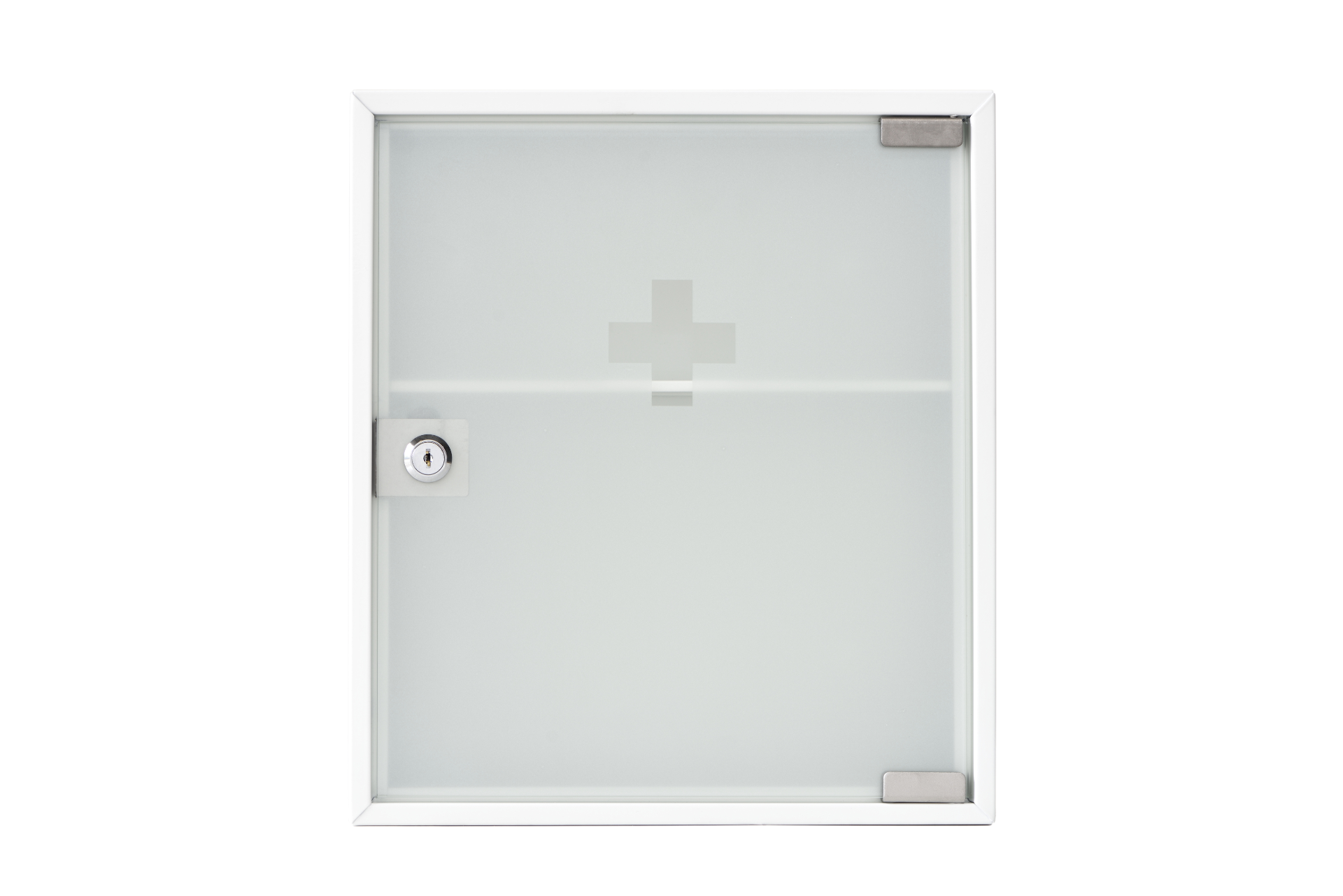
Proper medicine and drug storage are vital to ensure the quality, safety, and effectiveness of medications. In clinics, hospital wards, pharmacies, and other healthcare facilities, there are two types of drug and medicine cabinet construction: medicine cabinets and controlled drugs cabinets. Learn more about what makes them different and which one is ideal for your needs by using this article as your guide.
Drug and Medicine Cabinets
Drug and medicine cabinets within the United Kingdom are all required to comply with the British standard 2881:1989. These cabinets are intended for the storage of medicines in healthcare premises, small animal veterinary practices, general medical practices, and medical centres at ambient temperatures.
This standard does not state specifically the materials or method to be used in the manufacturing of the cabinet’s construction. However, one ideal way to ensure their quality is that they must be made of a 1.2 millimetre-thick mild steel sheet on the cabinet and door. The body must have press-formed sides with a press-formed top and bottom. To reinforce the door edge, the door must be fabricated similarly using a press-formed construction with a welded stiffener. Finally, the door must be secured with a seven-lever mortice lock or a six-pin euro-cylinder lock bolted internally.
With this type of material and method of construction, the drug or medicine cabinet will be durable enough to survive damage from attacks. It’s a stipulation requiring drug and medicine cabinets manufactured to British standard 2881:1989 (level 1) to withstand the following:
- Repeated attacks from a table knife for a period of five minutes
- An attempt to remove the door or the drug and medicine cabinet from the wall
- Attempt of burning from a smoker’s butane filled lighter sufficient to form a hole with no ignition or melting
- An attempt to be removed from the wall by a downward static force of 980Na in the centre of the top face or by a horizontal static force of 590Na in the centre of a side face
Controlled Drugs Cabinets
Cabinets used for storing controlled drugs must comply with two construction regulations: British standard 2881:1989 and the Misuse of Drugs (safe custody) regulations 1975. The Misuse of Drugs (safe custody) regulations 1975 aims to prevent the use of certain drugs for non-medical purposes and controls medicinal drugs and drugs without current medical uses.
Controlled drugs cabinets differ from drug and medicine cabinets in several ways. The former must contain certain specific features to reinforce their strength and security. Here are some of their requirements:
- Indicated controlled drugs cabinet information
- The label must be fitted inside the door and display the manufacturer name and other specific information as detailed in the act
- Internal anchor plates of three-millimetre thick steel and a surface area of 19,355 square per millimetre over each wall fixing point
- The cabinets must be fully welded in the construction
- Minimum of 1.6-millimetre thick steel sheet used in construction
- Two locks must be fitted if the door height exceeds 914 millimetres
- The clearance between the door and jam must not be greater than three millimetres
- The door lock must have at least five levers and 1,000 key differs
- Two locks must be fitted if the door height exceeds 914 millimetres
Conclusion
Storing medicines and controlled drugs is tricky, but it can be made hassle-free when you acquire the right type of medicine cabinet for your needs. This is why your healthcare establishments must receive bespoke furnishing for your needs. If you are searching for more organised healthcare storage, reach out to a trusted manufacturer like us.
PP Healthcare Solutions provides a wide range of high-quality, specialised storage systems, hospital storage trolleys, medical storage units, and more. Browse our available items today or contact us for a free consultation!