

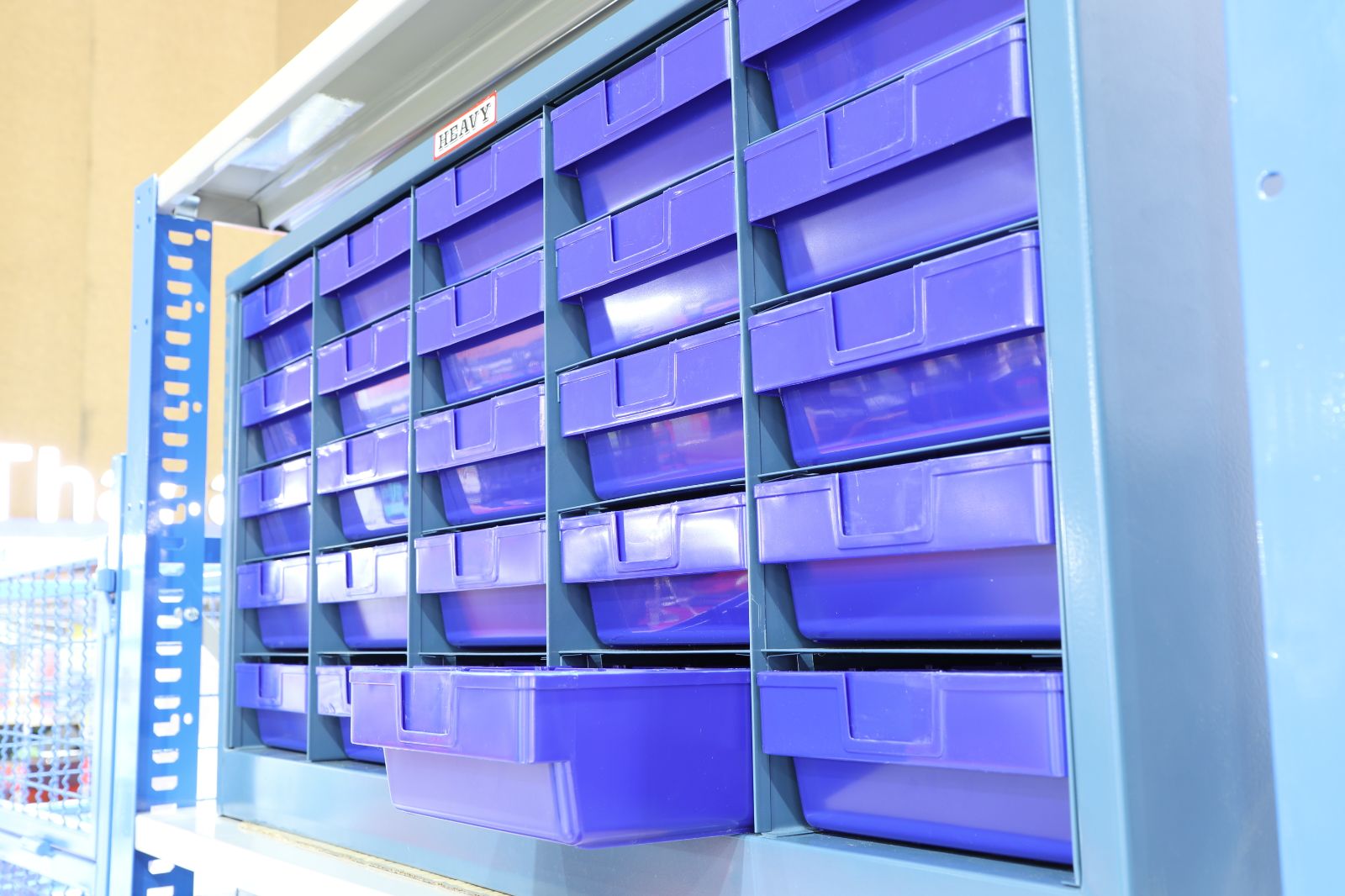
Navigating the world of medical storage solutions can be a daunting task for healthcare facility managers and administrators. With numerous factors to consider, such as space constraints, compliance with industry regulations, and staff requirements, selecting the ideal storage system for your organisation is no mean feat. We understand these challenges and have curated top tips from industry experts to assist you in choosing the perfect medical storage solutions that bolster safety, organisation, and efficiency in healthcare facilities.
The primary aim of this insightful article is to guide healthcare facility managers through the process of selecting and implementing effective storage systems, taking into account the unique needs and constraints of their organisations. We explore various options, including static and mobile storage solutions, and discuss the factors to consider when tailoring medical storage systems to meet the specific demands of your facility.
By offering invaluable guidance from industry professionals and shedding light on critical aspects of medical storage, our goal is to empower healthcare facilities to make informed decisions and maximise the overall effectiveness of their storage strategies. This, in turn, leads to improved patient care, staff satisfaction, and a more efficient healthcare organisation.
Dive into this treasure trove of expert advice and uncover the secrets to unlocking the full potential of medical storage solutions in your healthcare facility.
1. Assess Your Facility’s Unique Storage Requirements
Before selecting medical storage solutions, it is crucial to assess your healthcare facility’s specific needs and constraints. Consider factors such as the types and quantities of medical supplies and equipment, available space, and workflow requirements. Identifying the unique storage challenges faced by your facility, alongside your long-term goals, will help you make informed decisions when evaluating various storage solutions.
Make a list of your facility’s essential storage requirements, including desired features, compliances, and storage capacity needs. Utilise this information to create a comprehensive storage plan tailored to your organisation, increasing efficiency and maximising your investment in storage solutions.
2. Static vs Mobile Medical Storage Solutions
When selecting medical storage solutions, one of the primary decisions you will face is whether to opt for static or mobile storage systems. Both options offer distinct advantages and disadvantages, so it is essential to weigh the pros and cons based on your facility’s specific needs and goals.
Static storage solutions, such as fixed cupboards or shelving units, provide a stable and straightforward option for organising medical supplies. These systems are often cheaper and easier to install than their mobile counterparts, making them a popular choice for smaller facilities or those on a tight budget.
Mobile medical storage solutions, on the other hand, offer flexibility and adaptability in terms of space usage. Typically mounted on wheels, mobile systems, such as rolling shelves or trolleys, can be easily moved or reconfigured to accommodate varying needs or spatial constraints. While they may require a higher initial investment, mobile storage systems can provide longer-term benefits for facilities that require efficient and adaptable storage solutions.
3. Prioritise Accessibility and Workflow Efficiency
Selecting medical storage solutions that are easily accessible and improve the flow of staff operations is essential for maximising efficiency and reducing time spent searching for supplies. Keep in mind that time saved in locating and retrieving equipment can have a significant impact on patient care quality and staff productivity.
To facilitate ease of access, select storage solutions that make it easy for healthcare professionals to find, identify, and retrieve necessary items quickly. Open shelving or glass-fronted cupboards, for example, can aid in identifying supplies at a glance, reducing the time spent searching through drawers or closed cabinets.
Additionally, consider your facility’s workflow when selecting storage solutions. Group items based on their use or purpose, creating logical zones for different types of equipment and supplies. This can streamline the flow of staff operations and reduce delays in attending to patients’ needs.
4. Understand and Comply with Industry Regulations
When selecting and implementing medical storage solutions, it is crucial to adhere to industry standards and regulations. Compliance with safety guidelines and storage requirements for hazardous materials is particularly important in healthcare facilities, where the well-being of staff and patients must be prioritised above all else.
Familiarise yourself with the latest regulations and best practices within your industry and ensure that your chosen storage systems comply with the necessary standards. This may include materials, storage design, and overall organisation. If needed, consult with expert storage providers to guarantee that your facility’s storage systems meet all compliance requirements.
5. Choose Future-Proof and Adaptable Solutions
When investing in medical storage solutions, it is essential to consider the long-term needs and growth potential of your healthcare facility. Choosing adaptable and future-proof storage systems that can be easily updated or reconfigured as your organisation evolves will save both time and money in the long run.
Consider modular storage systems that allow for easy expansion or adjustments as your facility changes or grows. If space becomes constrained, mobile or convertible solutions may provide added flexibility, allowing you to reconfigure your storage layout to accommodate the new requirements.
6. Don’t Overlook Aesthetics and Ergonomics
While practicality is a key focus in selecting medical storage solutions, it is also important to consider aesthetics and ergonomics. Creating a visually appealing and well-designed healthcare facility can contribute to a positive working environment for staff and enhance patient experience.
Select storage systems with designs, layouts, and materials that complement your facility’s aesthetic, creating a cohesive and inviting atmosphere. Additionally, prioritise ergonomic features, such as user-friendly shelving heights, handle designs, and overall accessibility. This can support the well-being of your staff, reduce the risk of injuries, and enhance productivity.
7. Incorporate Technology for Improved Stock Management
In today’s fast-paced healthcare environment, incorporating technology into your medical storage solutions can enhance staff productivity and streamline inventory management. Modern technology, such as barcode ordering systems, radio-frequency identification (RFID) devices, and connected software solutions, can simplify the tracking and management of medical supplies, improving efficiency and reducing waste.
Consider implementing technology to automate inventory tracking, allowing for real-time updates and alerts when supplies are running low or have reached their expiration dates. By adopting advanced inventory management technologies, healthcare facilities can ensure timely replenishment of essential items, reducing risks associated with low stock levels or expired supplies.
8. Select Durable and Easy-to-Clean Storage Materials
Selecting medical storage solutions made from durable, easy-to-clean materials is essential in maintaining a safe and hygienic healthcare facility. With stringent infection control measures necessary in most medical environments, the choice of storage materials can significantly impact infection prevention and the overall cleanliness of your facility.
Opt for storage solutions made from non-porous, easy-to-clean materials such as stainless steel or high-quality plastics. These materials can withstand regular disinfection processes and minimise the risk of bacterial or microbial growth. Additionally, choose storage systems with smooth surfaces and minimal crevices to limit the accumulation of dust and dirt.
9. Involve Staff in the Storage Planning Process
Involving staff in the storage planning process can provide valuable insights into the most efficient and user-friendly solutions for your specific facility. Healthcare professionals who work in your facility daily will have an in-depth understanding of workflows, frequently used supplies, and potential bottlenecks or inefficiencies in the storage process.
Hold discussions with staff members to gather their input on proposed storage solutions or possible improvements to existing systems. Encourage their involvement in storage layout planning, giving consideration to their day-to-day routines and tasks. By involving your staff in the decision-making process, you can promote an atmosphere of collaboration and improve the likelihood of selecting storage solutions that enhance efficiency, workflow, and staff satisfaction.
10. Work with Expert Medical Storage Solution Providers
When selecting and implementing medical storage solutions, partnering with expert providers can ease the decision-making process and ensure that your facility’s unique needs are met. Experienced storage solution providers can offer valuable guidance, tailored solutions, and professional installation services to guarantee the efficiency, safety, and compliance of your storage systems.
Consider consulting with industry professionals who have a proven track record in designing and implementing customised medical storage solutions for healthcare facilities. Expert providers can offer valuable insights, up-to-date information on industry standards, and access to a variety of products suited to a range of settings and requirements.
11. Dedicate Time for Staff Training and Ongoing Maintenance
The success of implementing new medical storage solutions greatly depends on the ability of staff to adopt and maintain the chosen systems. Therefore, dedicating time to staff training and ongoing maintenance is critical to maximising the overall effectiveness of your storage solutions.
Arrange comprehensive training sessions for staff when new storage solutions are introduced to ensure they are familiar with the systems, including technological components, organisation protocols, and adherence to any specific industry regulations. Additionally, establish regular maintenance routines to guarantee storage systems remain in optimal condition and that any necessary updates or repairs are conducted promptly.
12. Periodically Evaluate and Adjust Storage Solutions
As a healthcare facility evolves or undergoes changes, it is essential to periodically evaluate and adjust storage solutions to ensure they continue to meet the organisation’s needs and requirements. Regularly review storage systems to identify any inefficiencies, bottlenecks, or areas that may benefit from improvements or adjustments.
Solicit staff feedback and consider additional space constraints, inventory requirements, or technological advancements that could impact the efficiency of your storage solutions. Be prepared to make necessary adjustments or upgrades, including expanding or modifying storage systems, to continuously improve and adapt to the changing needs of your healthcare facility.
13. Implement Robust Security Measures for Sensitive Medical Supplies
The secure storage of sensitive medical supplies, such as controlled substances and confidential patient records, is of utmost importance in healthcare facilities. Failing to implement robust security measures can result in unauthorised access, theft, or misuse of sensitive items or information.
When selecting medical storage solutions for sensitive materials, consider options with built-in security features, such as locking mechanisms, secure access controls, or alarmed systems. Additionally, establish storage protocols that include restricted access to authorised personnel only, alongside regular audits to ensure compliance and adherence to security measures.
14. Balance Space Utilisation with Accessibility
Maximising the use of available space is a common challenge faced by healthcare facilities with limited storage areas. While it is essential to utilise space efficiently, striking a balance between maximising storage capacity and maintaining accessibility is crucial to ensure staff can locate and retrieve necessary items quickly.
Utilise storage solutions that offer efficient organisation, such as vertical shelving systems, compact cabinets, or mobile storage carts, to optimise the use of available space without compromising accessibility. Tailor storage configurations to your facility’s unique spatial constraints and requirements, ensuring staff can access supplies with minimal hassle or delay.
15. Maintain Effective Temperature and Humidity Control
Proper temperature and humidity control are essential factors to consider when managing medical storage solutions, particularly when storing heat-sensitive or perishable items, such as medications or biological samples. Inadequate storage conditions can damage or compromise the efficacy of medical supplies, putting patients’ health at risk.
Ensure that storage environments for temperature-sensitive items are equipped with reliable temperature and humidity control systems, allowing for accurate monitoring and adjustment as needed. Periodically review temperature and humidity levels to confirm they remain within recommended ranges, making adjustments as required to maintain optimal storage conditions.
16. Develop Emergency Preparedness and Disaster Recovery Plans
Healthcare facilities must be prepared for the unexpected, including potential emergencies and disasters that could disrupt medical storage systems. Developing emergency preparedness plans and disaster recovery strategies can minimise the impact of unforeseen events on a facility’s storage solutions, safeguarding essential supplies and ensuring the continuity of care for patients.
Establish robust disaster recovery plans that encompass potential storage and inventory challenges, such as supply shortages, inaccessibility, or damage to storage areas as a result of fire, flood, or other events. Strategies may include maintaining a backup inventory of critical supplies, having emergency power sources for temperature-controlled storage, or implementing off-site solutions for secure and accessible storage during disasters, when appropriate.
17. Foster a Culture of Continuous Improvement
Incorporating a culture of continuous improvement in your healthcare facility encompasses not only your storage systems but also your overall approach to patient care and staff efficiency. Encouraging a mindset of ongoing learning, adaptation, and enhancement can improve storage processes and contribute to the overall success of the organisation.
Regularly review and evaluate your facility’s medical storage solutions, seeking opportunities for improvement or optimisation. Educate and engage staff in this ongoing process, fostering an atmosphere of collaboration and a shared commitment to achieving greater efficiency in storage and patient care.
Achieving Excellence in Medical Storage Solutions
Managing and implementing effective medical storage solutions plays a vital role in maintaining the efficiency, safety, and organisation of healthcare facilities. Taking into account factors such as space constraints, accessibility, inventory management, temperature control, and security measures, and engaging with expert storage providers can assist healthcare organisations in selecting and maintaining the right storage solutions for their specific needs.
By fostering a culture of continuous improvement and adapting to evolving industry standards and regulations, healthcare facilities can keep their medical storage systems optimised and focused on delivering the highest level of patient care.
Don’t leave your healthcare facility’s medical storage solutions to chance. Take the first step towards creating a streamlined, efficient, and organised storage system that enhances patient care and improves staff satisfaction. Get in touch with PP Healthcare Solutions today to learn more about our tailored storage solutions and how we can help you transform your medical supply storage and management.