

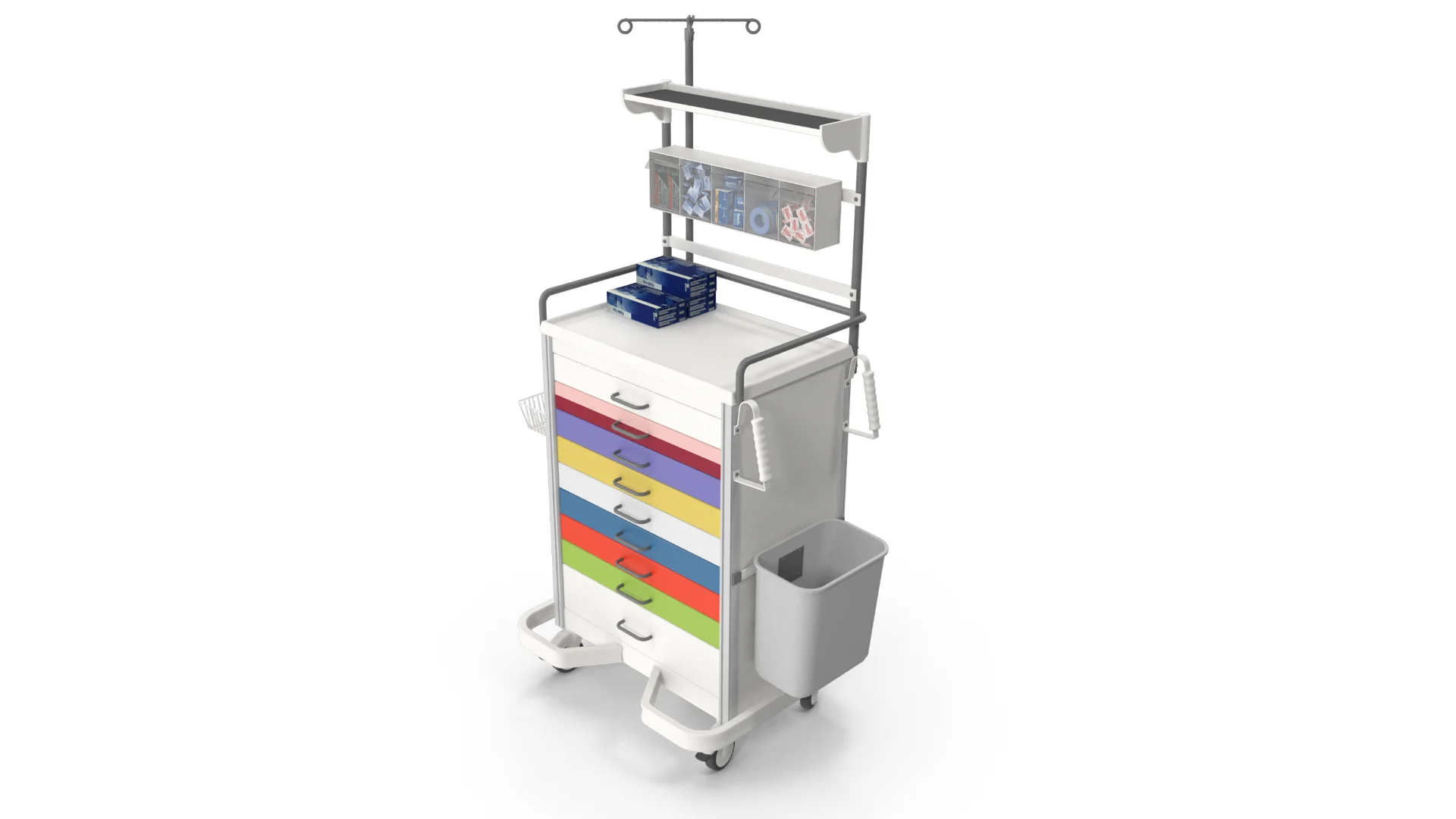
Trolleys in hospitals might seem straightforward, but when they start making noise, they become a nuisance in a healthcare setting. Picture this: a nurse is trying to get a patient to sleep at night, but the squeaky wheels of a trolley keep the night anything but peaceful. This is more common than you might think, affecting the calm environment that hospitals aim to maintain. What’s often overlooked is how swiftly and effectively these noises can be diagnosed and repaired to restore quiet and efficiency.
The significance of addressing such noise goes beyond mere inconvenience. Quiet surroundings are vital for both patient recovery and staff focus. Imagine the distraction caused by noisy trolleys in a busy corridor or near sensitive equipment. Addressing these issues head-on ensures hospital operations run smoothly and that patients can recover in the restful environment they need.
The Role of Trolleys in Hospitals
Hospital trolleys serve many roles in patient care, from transporting medical supplies and medications to serving meals. They’re the silent helpers throughout wards and departments, used every day and at all hours. Hospitals rely on these trolleys to help staff carry out various tasks swiftly and efficiently, aiding in patient care delivery and administrative duties.
Perhaps you’ve seen a hospital trolley efficiently rolling down hallways loaded with important documents or medical supplies. It’s crucial these trolleys perform their duties quietly and efficiently. However, their hard use can eventually lead to noise, especially if they’re not maintained regularly. Without regular check-ups, trolleys that have been dependable workhorses can become sources of disruption.
Common Causes of Trolley Noise
Several common issues can contribute to a trolley for hospital use making unwelcome noise:
- Worn or Damaged Wheels: Over time, wheels can wear down, causing them to become misaligned or squeaky. This wear and tear is one of the primary causes of trolley noise that can often be rectified with timely replacement.
- Loose or Missing Parts: As parts become loose with frequent use, they can rattle or clang, leading to noise that could disrupt the hospital environment. Ensuring all components are securely fastened is a simple yet effective step.
- Poor Quality Materials: Some trolleys might be built from lower-quality materials that aren’t durable enough for regular hospital use. Opting for trolleys made from strong, durable materials can prevent noisy disruptions.
Understanding these causes and implementing timely solutions is key to maintaining a quiet and efficient operation in hospital settings. Regular inspections can keep these issues in check so that hospital staff can work more effectively, and patients can enjoy serene settings conducive to recovery.
Diagnosing the Source of the Noise
Getting to the root of the noise in hospital trolleys can be quite straightforward if you know what to listen for. The first step is to pause and pay close attention to the type of noise being produced. Is it a regular squeak, a rattling, or perhaps even a clattering sound? This preliminary listening can guide you in the diagnosis. Each sound often has its own distinct cause, such as misaligned wheels or loose components.
Once the noise is identified, check the wheels and axles. They are often the usual suspects for any persistent noise. A simple inspection can reveal whether wheels have become misaligned or damaged. If a wheel is the source of noise, it might need replacement or adjustment. Additionally, inspecting the axles for proper attachment is crucial. Sometimes just realigning the wheels can make a significant difference.
After checking the wheels, it’s wise to move on to the trolley’s components. Look for any that may have loosened over time, as these can clatter and cause unwanted noise. Tightening any loose bolts or screws is often a quick fix. Inspect other movable parts such as brakes and handles; make sure they’re functioning smoothly without adding to the noise problem.
The Impact of Noisy Trolleys on Patient Care
Noisy trolleys aren’t just a minor inconvenience; they can have a noticeable impact on patient care. For patients, especially those who are unwell or recovering from surgery, a peaceful environment is part of the healing process. Noise disruptions can affect their sleep, mood, and overall comfort. Imagine being in a quiet recovery room only to be disturbed by a squeaky trolley passing by. Such disruptions aren’t just annoying; they can extend recovery times for patients who need consistent rest.
Additionally, excessive noise can interfere with the operation of medical equipment. Within a hospital, precise and often sensitive equipment can be impacted by vibrations and noise pollution. This could inadvertently affect readings or even the functionality of the equipment, leading to potential risks and inefficiencies in patient care.
The Impact of Noisy Trolleys on Staff Efficiency
For hospital staff, efficiency is key to maintaining high levels of patient care and seamless operation within departments. Noisy trolleys can be a surprising source of stress, contributing to staff fatigue. Imagine trying to focus on a task or communicate with a colleague, all while a distracting noise echoes through a corridor. Such disruptions can lead to errors, misunderstandings, or just a generally more stressful work environment.
Communication is another area that can be affected. In environments where clear dialogue is necessary, such as during patient handovers or emergency situations, the background noise from rattling trolleys can cause important information to be missed. Maintaining quiet trolleys not only helps in reducing stress but also contributes to clearer communication and better overall staff morale.
By keeping these considerations in mind, hospitals can improve both patient and staff experiences markedly. Addressing these noise issues ensures a calmer, more efficient atmosphere where everyone can carry out their roles with ease.
Preventative Maintenance for Hospital Trolleys
One of the best ways to keep hospital trolleys silent and efficient is through consistent preventative maintenance. Establishing a regular inspection schedule can prevent small issues from becoming larger problems. Routine checks allow maintenance staff to spot worn wheels or loose parts before they contribute to disruptive noise. It’s a proactive approach that greatly extends the life of trolleys, ensuring they perform effectively without causing unnecessary distraction.
Another crucial aspect is the routine lubrication of moving parts. Ensuring that wheels and hinges are properly oiled can minimise friction and reduce the likelihood of those annoying squeaks and groans. A slick, smooth operation not only keeps the trolleys quiet but also ensures that staff can manoeuvre them with ease. This regular maintenance is like preventative medicine for trolleys, keeping them healthy and operational.
Proper storage plays a key role in maintaining trolleys, too. When not in use, storing them thoughtfully can prevent accidental damage. For instance, placing them in designated areas reduces the risk of knocks and scrapes that may lead to misalignment or loosening of parts. This thoughtful organisation keeps trolleys ready for immediate use, minimising interruptions to hospital routines.
To summarise, implementing these maintenance strategies is a practical way to enhance the lifespan and functionality of hospital trolleys. Not only do they require less frequent repairs, but they also continue to operate quietly, contributing to a calm and effective hospital environment.
Key Areas to Inspect
Focusing on certain key areas during inspections can help identify potential issues before they develop into major problems. Here is a checklist of vital components to review:
- Wheels and Casters: Examine these closely for signs of wear and tear. Look for flat spots or cracks in the wheels which could cause squeaks or hinder smooth rolling. Proper lubrication keeps them turning quietly.
- Framework and Shelving: Inspect the framework for any signs of rust or damage. Ensure that shelves are stable and not bent or swinging loosely.
- Handles and Brakes: Test handles and brake mechanisms for secure fittings and proper operation. Any looseness in handles or failure in brakes can compromise safety and function.
Regularly inspecting these components can catch wear early on, allowing timely maintenance and avoiding unexpected breakdowns or noise issues. This approach ensures that trolleys remain a benefit, not a burden, to hospital operations.
Simple Repairs for Common Issues
Not every noise issue requires a professional. Some simple repairs can be handled onsite to quickly resolve common problems and restore peace. Here are a few easy fixes:
- Replacing Worn Wheels: If wheels are the primary culprits, swapping them out with new ones can drastically reduce noise. Make sure to choose wheels that are compatible and made from durable materials.
- Tightening Screws and Bolts: Loose fittings can often lead to rattling sounds. Simply tightening them can eliminate noise, ensuring secure connections throughout the trolley.
- Aligning and Balancing: If a trolley seems to wobble or veer off course, adjusting its alignment can help it move cleanly along its path. This minor adjustment improves handling and reduces wear on components.
While these tasks might seem minor, they have a significant impact on the overall functionality and lifespan of hospital trolleys. By addressing these issues promptly, hospitals can maintain their operations’ smooth and silent efficiency.
When to Seek Professional Repairs
While some trolley noises can be tackled with simple fixes, there are times when it’s better to seek professional help. Look out for signs of major structural issues. These can include extensive rust on the framework, compromised welding points, or serious bending that affects the trolley’s stability. Such issues often require more specialised repair or even parts replacement to ensure the trolley remains safe and functional.
Even after attempting minor repairs, persistent noise might indicate a deeper issue that isn’t immediately obvious. When trolleys continue to creak or squeak despite tightening bolts or replacing wheels, it might be time to consult experts who can offer a more detailed inspection. Professionals have the tools and expertise to pinpoint and fix complex problems that might be beyond simple maintenance tasks.
Additionally, opting for experienced technicians can prevent accidental damage during attempts at DIY fixes. Their insight ensures that repairs are carried out to the best standards, maintaining both the functionality and longevity of the trolleys in a busy hospital environment.
Benefits of High-Quality Trolleys for Hospital Use
Investing in high-quality trolleys brings a host of benefits to any healthcare facility. One of the biggest advantages is durability. Trolleys constructed from premium materials can endure the heavy usage common in hospitals, leading to fewer breakdowns and less frequent need for replacements. This, in turn, translates to long-term savings as the facility avoids constantly buying new equipment.
The ease of use is another key benefit. Well-designed trolleys glide smoothly along corridors, reducing strain on staff who manoeuvre them daily. This user-friendly design not only helps minimise noise but also boosts overall efficiency, enabling staff to focus more on delivering excellent patient care.
Moreover, high-quality trolleys enhance the overall satisfaction of both patients and staff. Quiet, easy-to-use trolleys create a calmer and more pleasant environment. They’re particularly appreciated in settings where peace and quiet are paramount to recovery and comfort.
Selecting the Right Trolley for Hospital Use
Choosing the appropriate trolley involves considering several important factors. It’s beneficial to think about material, design, and functionality, which each play a crucial role in the trolley’s effectiveness. Materials like stainless steel are often preferred for their durability and ease of cleaning. This choice is ideal for maintaining hygiene in medical settings.
Design features are also worth pondering. Consider if the trolley needs to have extra shelving points, removable components, or specific wheel types suited for various floorings. These features can hugely impact the trolley’s performance in different hospital departments.
Finally, it’s important to match the trolley features to the specific needs of the department. A trolley used in a surgical ward might require different specifications than one used in general storage. Making the right choice enhances operational flow and ensures that trolleys meet every task effectively.
The Role of PP Healthcare Solutions in Providing Hospital Trolleys
PP Healthcare Solutions stands out as a leader in offering a wide array of hospital trolley solutions tailored to the unique needs of healthcare environments. With a strong focus on quality and reliability, this company supplies trolleys that consistently meet the high demands of hospital use, ensuring quiet operation and ease of use.
Offering an extensive range of options, from multifunctional procedure trolleys to dedicated supply trolleys, PP Healthcare Solutions caters to the diverse operational requirements of hospital departments. Their products are known for their durability and innovative design, helping to minimise noise disruption and enhance functionality within the hospital setting.
Testimonials and success stories from various healthcare facilities highlight how switching to PP Healthcare Solutions has not only resolved noise issues but also improved efficiency and satisfaction for staff and patients alike. The company’s commitment to quality underscores its role as a trusted partner in optimising hospital logistics and operations.
Optimising Trolley Use in Hospitals
The optimal use of trolleys in hospitals involves more than just addressing noise; it requires strategic implementation and staff engagement. Training staff on the proper use of trolleys is crucial to maximise their potential and minimise wear and tear. Providing them with instructions on weight distribution, speed, and handling can prevent unnecessary strain and prolong the lifespan of the equipment.
Implementing a routine maintenance schedule is equally important. Regular checks and timely interventions ensure that trolleys remain in top condition, preventing noise and malfunctions. Developing effective storage solutions also plays a pivotal role. Designated storage areas can help avoid damage and maintain easy access for staff when trolleys are needed.
This holistic approach to managing and maintaining hospital trolleys not only reduces the risk of disruptions but also enhances the overall workflow in healthcare settings. It ensures that these essential tools contribute positively to the daily operations and efficiency of hospital staff.
Concluding Thoughts on Addressing Noisy Trolleys
In addressing the issue of noisy hospital trolleys, the emphasis lies on recognising the problem, implementing preventive maintenance, and knowing when to seek expert repairs. Using high-quality trolleys significantly impacts the patient and staff experience, enhancing the overall hospital environment for recovery and work.
PP Healthcare Solutions offers reliable and noise-free trolley options, assuring healthcare professionals of the best solutions tailored to their specific needs. The advantages include reduced stress for staff, a peaceful atmosphere for patients, and improved operational efficiency. A thoughtful approach in selecting, maintaining, and using hospital trolleys translates to improved patient care and enhanced staff satisfaction.
Elevate your hospital’s efficiency and ensure a quiet, restful environment with quality trolley options. Explore how PP Healthcare Solutions can help your facility with an ideal trolley for hospital use to meet your needs. Discover how our solutions can enhance patient care and staff efficiency.