

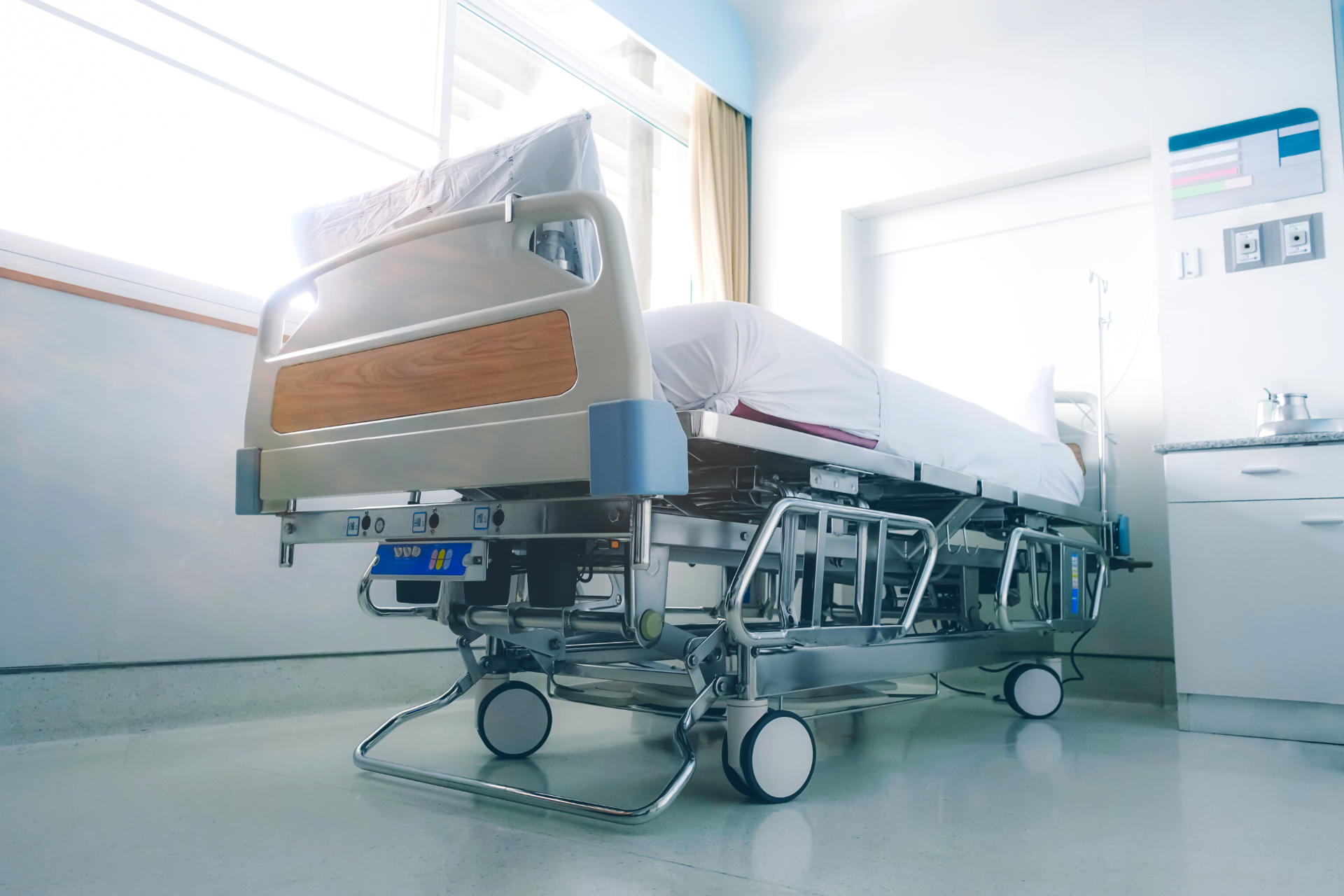
Hospital furniture is an essential component of any healthcare facility, allowing for the smooth running of medical procedures and the comfortable care of patients. It’s essential to understand the different types of hospital furniture and how they can be categorised to ensure the best possible patient care.
By Location
When it comes to categorising hospital furniture, location is one of the most important factors to consider. As hospitals are large and complex buildings with different rooms and departments, it is essential to have an organised system that allows for the efficient use of space.
The first consideration when categorising hospital furniture by location is the type of room where the furniture will be located. Different rooms in a hospital will require different types of furniture. For example, patient rooms will need beds, chairs, and storage units, while operating rooms require special tables, lighting, and other equipment.
Once the room type is determined, the next step is to determine the type of furniture that should go into each room. Standard hospital furniture includes bed frames, mattresses, bedside tables, chairs, desks, and storage units. Different rooms will require different types of furniture, and the furniture should be tailored to the room’s specific needs.
By Function
When categorising hospital furniture, one of the most common ways is to categorise it by function. When categorising hospital furniture by function, it is vital to consider the furniture’s purpose and the healthcare facility’s specific needs. For example, general medical furniture such as beds and chairs are used in various hospital areas and are essential for providing patient comfort and safety. Similarly, medical equipment such as beds and wheelchairs are vital for providing medical care and rehabilitation.
In addition to general medical furniture, there are also specialised furniture pieces that are designed for specific uses. For example, surgical tables and operating room furniture are designed for use in the operating room. They are typically made from specialised materials designed to withstand surgery’s rigours. Similarly, hospital beds are designed to provide support and comfort to patients during their stay in the hospital.
Finally, there are also furniture pieces designed for more general use in the hospital. For example, waiting room furniture, reception desks, and other pieces of furniture are designed to provide a comfortable and welcoming atmosphere for visitors and staff. These pieces are also designed to provide staff with a functional and efficient workspace.
By Structure
When it comes to hospital furniture, categorising them by structure is a crucial way to ensure that the right pieces are being selected for the right applications. Hospital furniture can be broadly categorised into two main categories: fixed and movable.
Fixed furniture includes beds, cabinets, chairs, tables, and other items permanently affixed to the walls or floors and are not intended to be moved. This type of furniture is generally used in hospital areas where the patient will stay for a longer period, such as a patient room or a waiting room.
Movable furniture, on the other hand, includes items such as wheelchairs, beds, medical carts, and other items designed to be moved from one location to another. This type of furniture is generally used in areas where the patient is likely to move around, such as a recovery room or a laboratory.
Final Thoughts
Categorising hospital furniture is essential for a successful hospital operation. Before buying hospital furniture, it is vital to consider the purpose of each type of furniture, where you plan to place the furniture, and how the furniture is structured. By considering all of these factors, hospitals can ensure they are providing the best quality furniture for their patients and visitors.
Get the best hospital cupboards and other types of medical furniture and storage from PP Healthcare Solutions. We provide high-quality medical storage and a fully comprehensive range of HTM71 storage for ward and departmental stock management in the healthcare sector. Get in touch with us today!