

Much like the food industry, healthcare services are dependent on the freshness of their products and services. Medicines, cleaning solutions, and cleaning apparatuses need to be stored properly as they directly affect the lives of their staff and patients.
Food made from stale ingredients can cause an unpleasant dining experience or upset stomachs, classified as lawsuits. In a similar vein, expired supplements and cleaning solutions could cause harmful side effects or shorten the lifespan of a patient or employee.
The gravity of these incidents necessitates that wards and departmental stock management must follow the highest, strictest regulations and requirements. Here are three need-to-know medical product regulations and specifications to protect your medical institution from any untoward incidents.
Discern between Regulated and Non-regulated Items
Medical products and equipment require stricter regulations to ensure customers and hospital staff’ safekeeping and proper use.
Basic items such as vitamins, supplements, cosmetics, and body products must be kept in healthcare HTM71 storage units. However, when it comes to FDA-regulated items, they require special handling and storage compared to basic healthcare items such as controlled drugs and pharmacy cabinets.
Discern between Different Types of Medical Devices
In addition, medical apparatuses need special safekeeping. Standard equipment, such as thermometers, blood pressure monitors, and adhesives, can be kept in ward and departmental stock management areas for easy access.
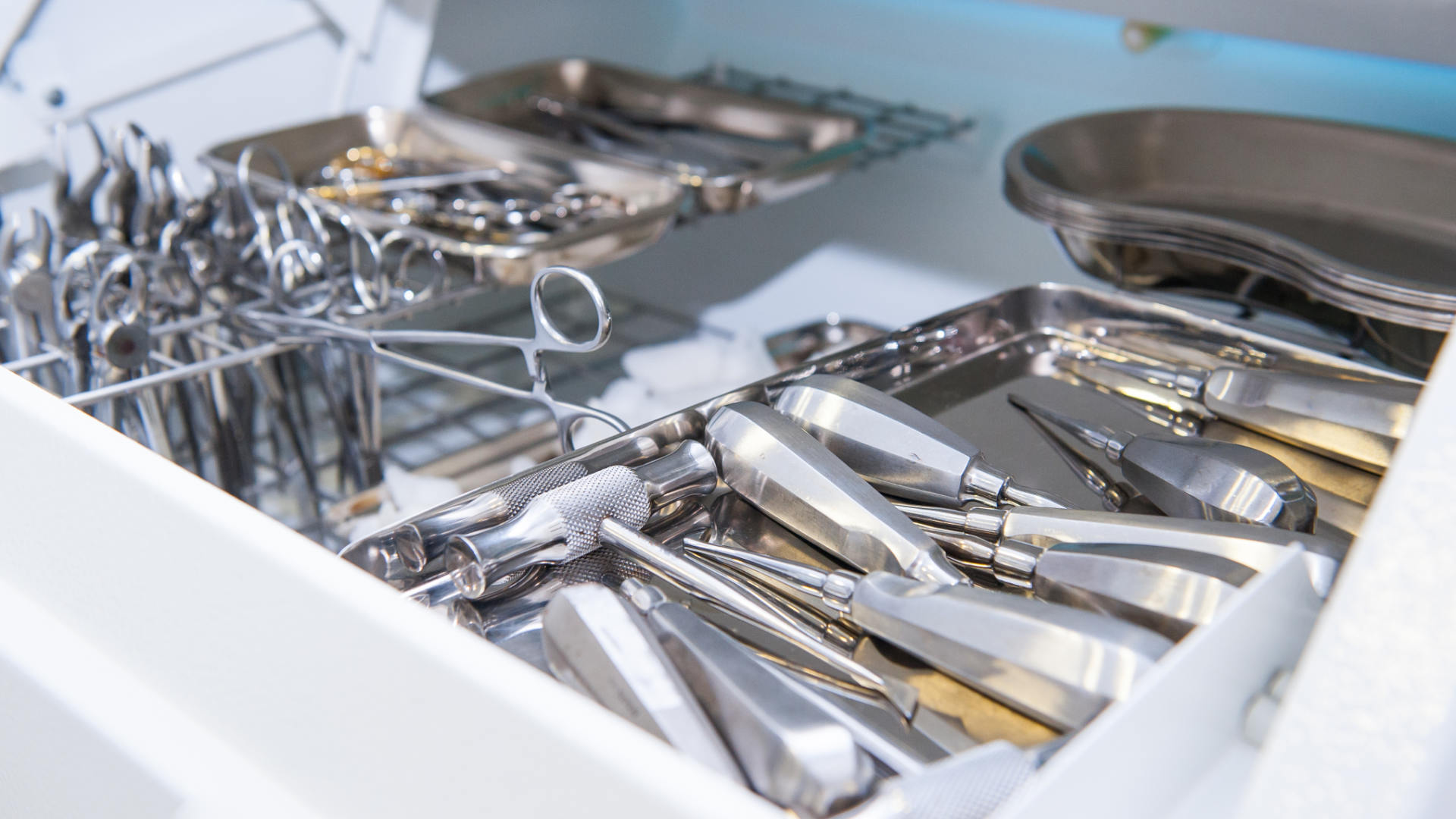
However, Food and Drug Administration (FDA)-classified equipment such as scalpels, forceps, elevators, and other surgical equipment must be kept with additional security. These devices can change a person’s anatomy or biological functions.
Below are the FDA’s general descriptions for the types of medical devices:
- Class 1: This class of equipment has minor regulations as they are safe and do not pose a danger to customers and employees. They have the lightest restrictions for storage and can be often stored in a regular warehouse or wire shelving.
- Class 2: Class 2 equipment is very similar to Class 1 but has “special controls”, which include labelling standards and monitoring protocols. Items that fall under this category are surgical masks, syringes, and even some types of powered wheelchairs.
- Class 3: Items in this group have the strictest regulations and requirements because they are life-sustaining devices that require the FDA’s scientific review and approval. Equipment such as dialysis machines, pacemakers, and other implants must be stored and distributed according to the appropriate rules. Maintaining these items may require your institution to consult with a health supervisor to follow the most-recent FDA protocols.
Discern between Basic Storage and Sterile Storage
Once your staff have determined each healthcare item’s regulation level and category, you must keep them in the proper storage areas.
Non-regulated and FDA Class 1 items such as supplements, vitamins, soap, and shampoo can be kept in base cabinets to make them easily accessible for hospital staff and patients.
When it comes to regulated, FDA Class 2, and FDA 3 items, full height cabinets, wall cabinets, controlled drugs and pharmacy cabinets are required. These are sterile storage spaces where the temperature keeps devices and medicines free from any bacterial interaction that could otherwise hamper their effectiveness.
Some items that need sterile safekeeping include injections, ophthalmic preparations, irrigation fluids, dialysis solutions, sutures and ligaments, surgical dressings, and surgical instruments. In some cases, additional features are needed for sterile storage spaces such as temperature control and security systems to guarantee only the right persons have access to them.
Closing Thoughts
A medical institution’s effectiveness relies not just on its staff but also on its equipment. These devices, supplements, and solutions must follow the appropriate regulations to promote the health and welfare of its patients and employees.
Get in touch with us at PP Healthcare Solutions, Ltd. immediately for more information on following medical regulations and requirements for safekeeping. We provide high-quality medical storage with a full range of healthcare HTM71 storage units for ward and departmental stock management.